No-dig fence and frost heave — why it’s less of a problem than you think
If you live in a cold climate, frost heave is probably one of the first concerns that comes to mind when considering a no-dig fence. It’s a fair question — and the answer might surprise you. Not only does our no-dig system handle frost well, it was actually invented specifically because of frost.
Why no-dig fence was invented
The no-dig fence concept was developed and popularized in Canada by a frustrated fence installer who couldn’t solve a chronic problem: no matter how deep he dug concrete footings, they would still occasionally heave out of the ground in extreme frost conditions. And when a concrete footing heaves, it’s virtually impossible to fix without the back-breaking work of a complete removal and reinstall — often leaving the fence looking permanently damaged.
As a creative fix, he developed the pipe anchor method — driving a steel pipe deep into the ground instead of pouring concrete. Once perfected, the frost problems virtually disappeared. Today, most vinyl fence installed in Canada uses no-dig pipe anchors for exactly this reason.
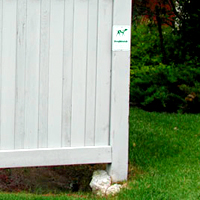
Why pipe anchors handle frost better than concrete
There are two key reasons why no-dig fence performs better in frost conditions than traditionally installed fence:
- Less surface area means less leverage for frost. Concrete footings have a large surface area, giving frost more to grip and push against. A pipe anchor has a much smaller diameter, making it far more difficult for frost to build up enough leverage to heave it out of the ground.
- If a pipe does heave, it’s easy to fix. In the rare event that a pipe anchor is affected by frost, the repair is simple. Remove the screws holding your panel or gate to the post, lift the post off the pipe, reset the pipe anchor (usually a few firm strikes with a sledgehammer is all it takes), and reinstall your post and panel. The whole process takes a fraction of the time and effort of dealing with a heaved concrete footing.
Proven in cold climates: WamBam fence has been installed successfully in some of the coldest climates in North America — from North Dakota to Winnipeg, Canada. Customer calls about frost heave being a serious problem are extremely rare.
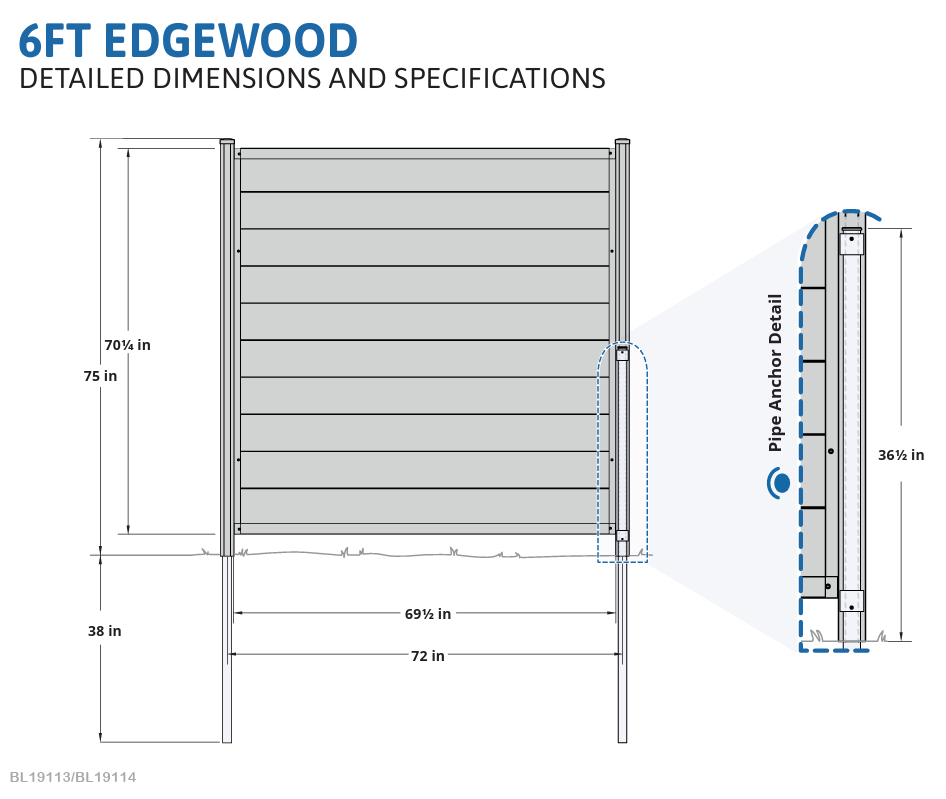
How deep do the pipe anchors need to go?
Pipe anchor depth varies depending on the fence style and post size you are installing. In general, anchors are driven anywhere from 24 to 40 inches into the ground. For the exact depth required for your fence style, refer to your installation guide.
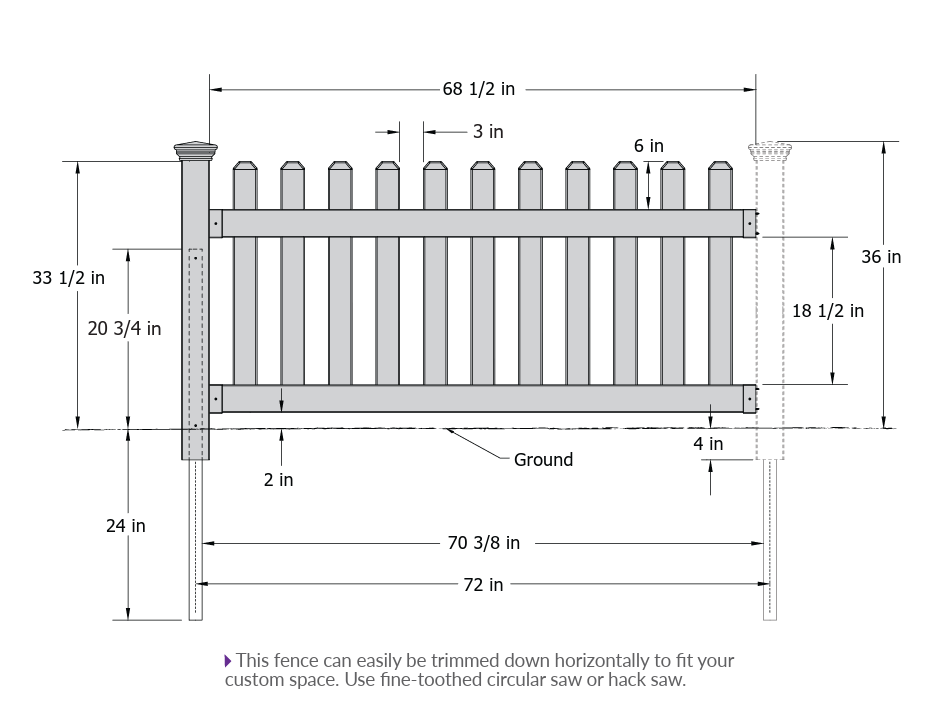
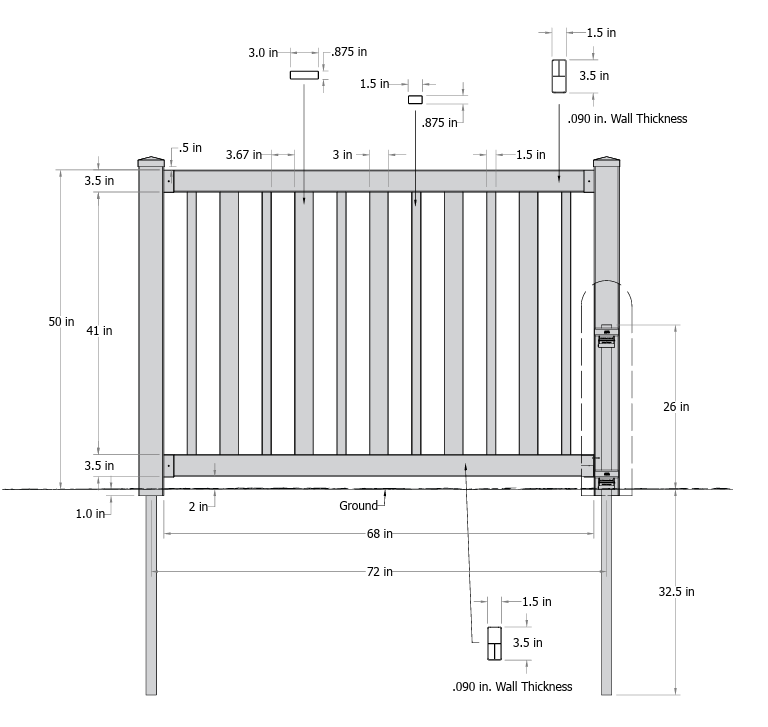
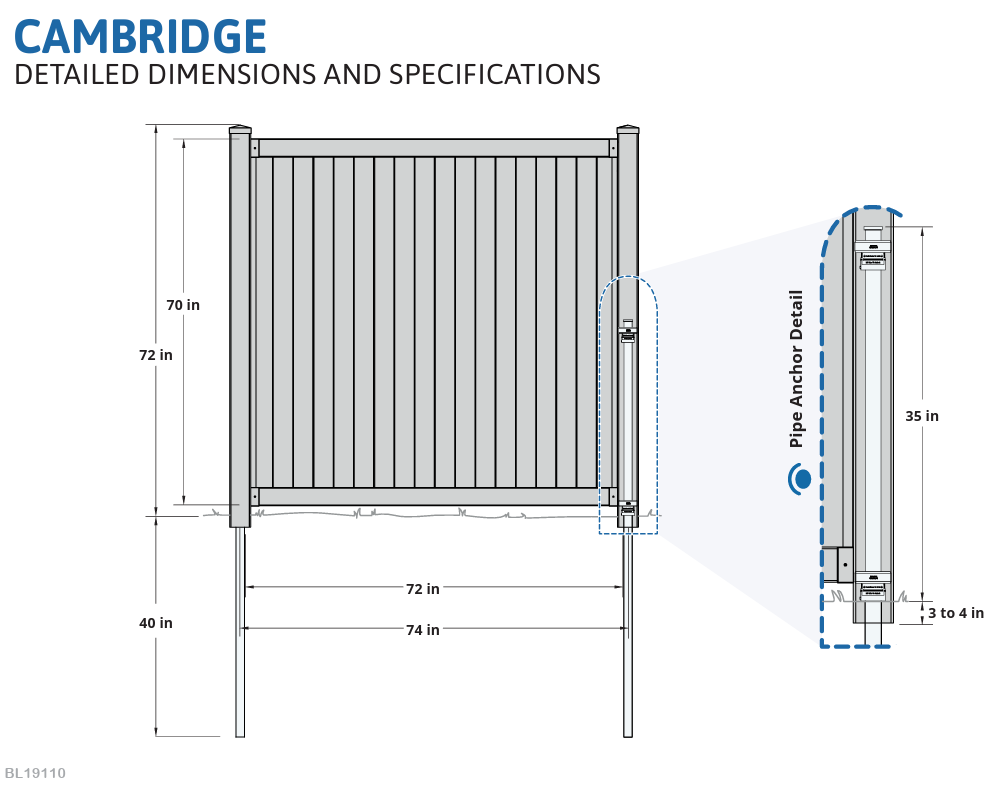
Our honest promise
We can’t guarantee that a pipe anchor will never be affected by frost — no fence manufacturer can make that promise. What we can promise is that if it does happen, fixing it is straightforward and won’t ruin your fence. That’s a very different situation from dealing with a heaved concrete footing.
Tip: Still have questions about frost heave or installing fence in a cold climate? Call us at 877-778-5733 and we’ll walk you through it.
Free Shipping
Some exclusions applyLet Us Help!
877.778.5733Payment Methods
All Major Cards, Google Pay, Apple Pay & KlarnaFree Shipping
Some exclusions applyLet Us Help!
877.778.5733Payment Methods
All Major Cards, Google Pay, Apple Pay & Klarna
