Sturbridge Vinyl Yard & Pool Fence
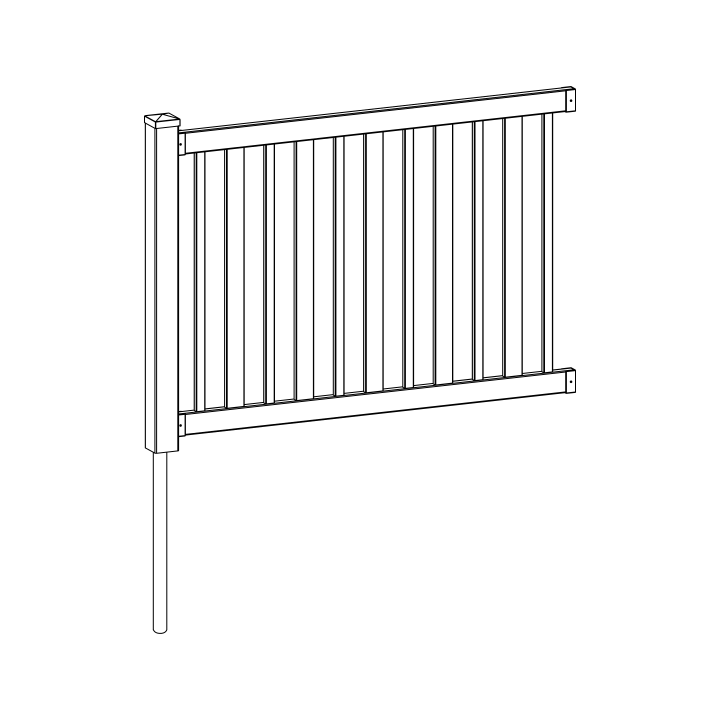
Before You Begin
- Before driving pipe anchors, check for underground utilities. In the US, call 811 or visit www.call811.com. In Canada, visit www.clickbeforeyoudig.com to find your provincial one-call centre.
- If your yard slope exceeds 3–4in per 6ft, split your panels and add an extra post and brackets.
- Install the top rail at least 48in above ground to conform with most pool codes — always check your local regulations, as requirements may vary.
Returns: Please let us help resolve any issues before initiating a return. If a return is still necessary, it must be initiated with the retailer where the product was purchased.
Need Help or Replacement Parts?
Our US-based customer service team is available Monday-Friday, 9am-5pm EST.
- Parts Website: https://parts.nychbrands.com
- Email: hmmm@wambamfence.com
- Phone: 704-892-5222 or 877-778-5733
- Text: 704-892-5222
For faster service, have your item number (BL19103) and part name ready. A batch lot number (found on the end of the box) is also helpful if available — it helps us identify and resolve any production issues on our end.
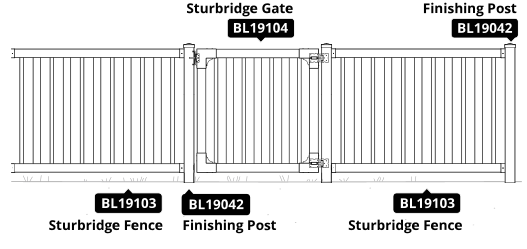
Finishing Post: BL19042
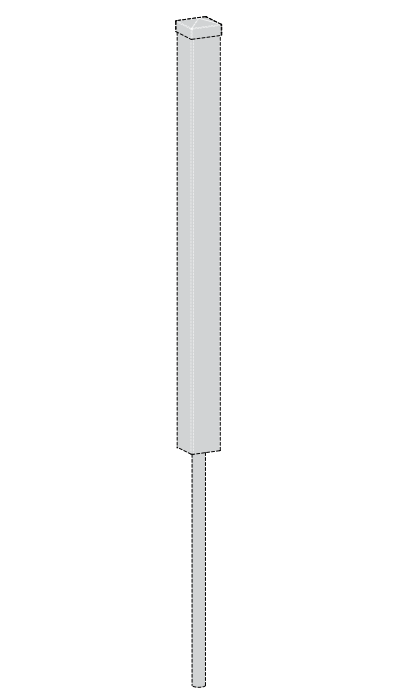
Your panel comes with 1 post/anchor kit. You will need 1 BL19042 to finish the fence run.
If you are installing a gate, you will need two finishing posts — one to finish the run, and one to support the gate. See next diagram for help visualizing.
Buying Guide
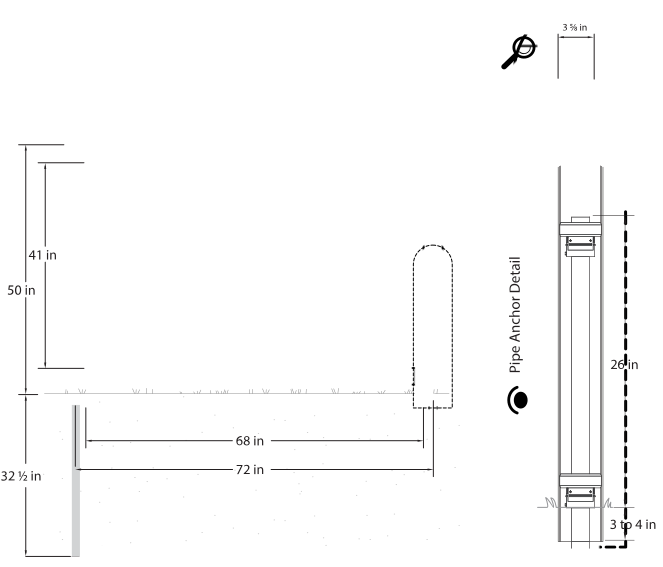
Product Specifications & Dimensions
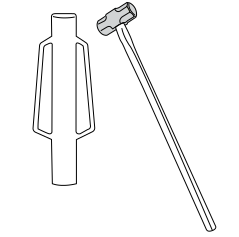
Post Pounder Considerations
Good
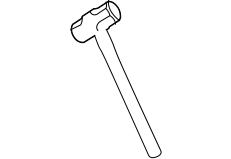
Sledgehammer
10-15lbs.
A basic option for very small projects. Requires two people to keep pipes level during installation.
Better
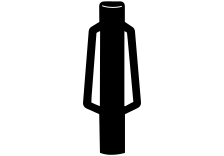
Manual Post Pounder
12-30lbs.
Best for projects with fewer than 10 pipes. Available online or at hardware stores.
Best
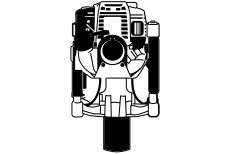
Gas Powered Pounder
Rentals are ideal for larger projects. Significantly reduces time and effort required.
Tip! Don't use a 5lb sledgehammer — it won't generate enough force to be effective, and driving the pipe turns into a slow, frustrating grind.
Note:
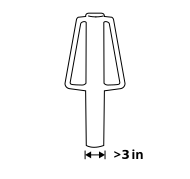
Choose a post pounder with a barrel diameter of 3in or greater. Pounder barrel cannot be longer than 24in.
Required Tools
Pounder / Sledge Hammer
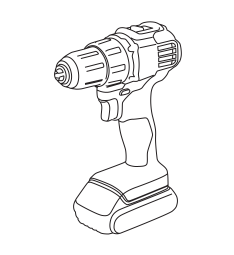
Drill with 2in Bit
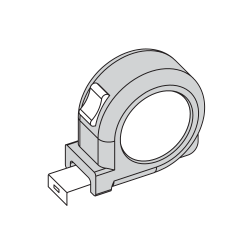
Measuring Tape
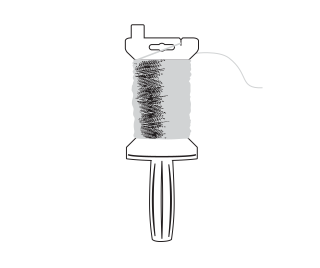
Stringline Reel
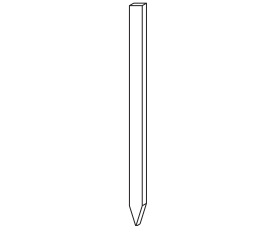
Stakes (for stringline)
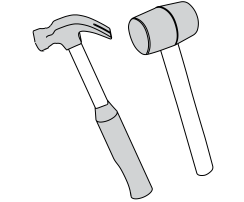
Hammer / Mallet (for Stakes)
Pencil
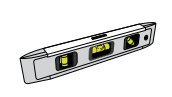
1ft Level
Large Level
Part Identification
A
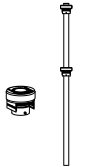
Pipe Anchor (1)
1⅝in D × 58½in L
(includes donut and gear)
B
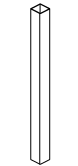
Post (1)
4in × 4in × 53in
C
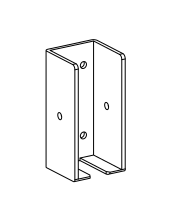
Bracket (4)
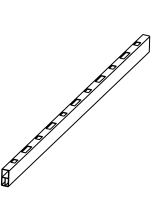
D
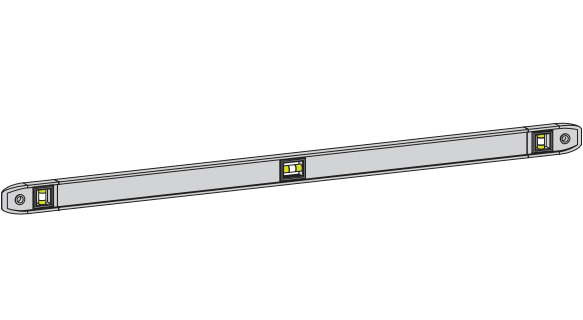
Horizontal Rail (2)
1½in × 3½in × 67¾in
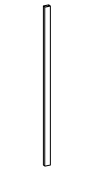
E
Thin Picket (6)
⅞in × 1½in × 45in
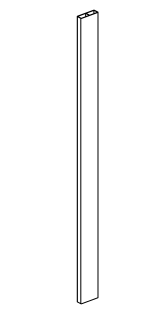
F
Wide Picket (5)
1½in × 3in × 45in
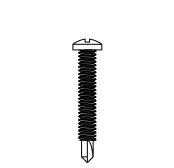
G
1in Self-Drilling Stainless Steel Screw (24)
H
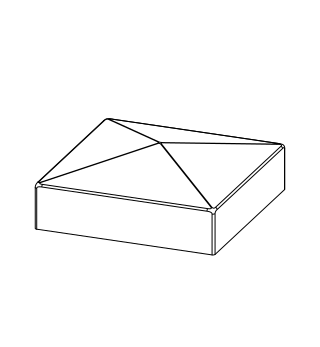
Post Cap (1)
Practice Makes Perfect
Start with one full panel — it's the best way to learn the process and confirm your spacing before committing. Once the first panel is complete and verified, drive your next pipe anchor and build each remaining panel one at a time.
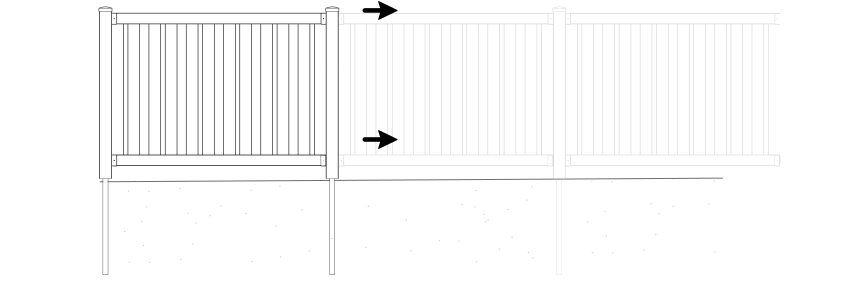
Important: Before driving pipe anchors, check for underground utilities. In the US, call 811 or visit www.call811.com. In Canada, visit www.clickbeforeyoudig.com to find your provincial one-call centre.

Step 1: Set Stringline
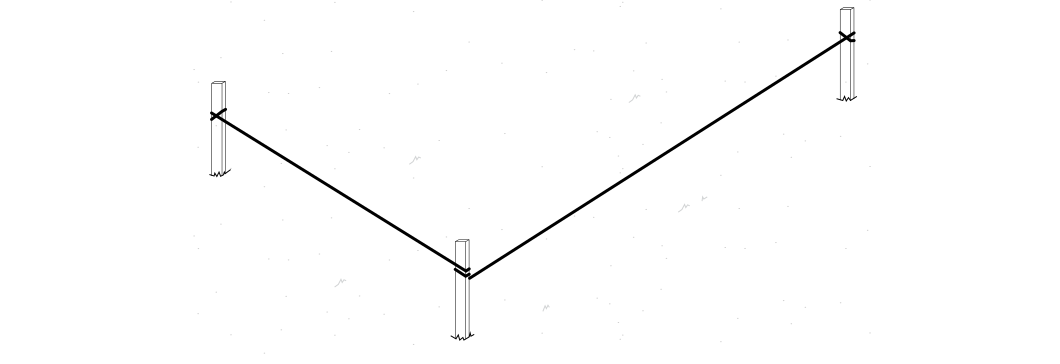
Hammer a stake at each end of every fence run, then tie string between the stakes. This line keeps your pipes aligned as you drive them. Need help? Watch this video!
Step 2: Determine Slope
Check your yard's slope before you begin — this determines whether you need additional posts.
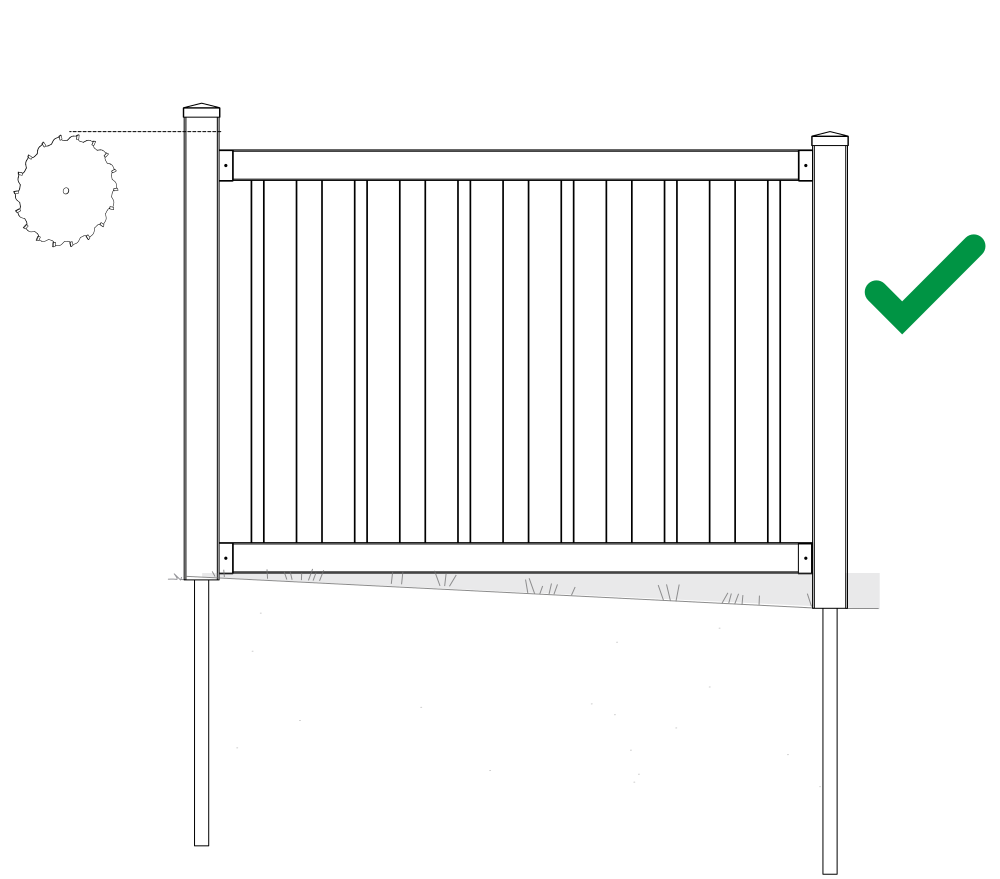
For a slope of 3–4in or less per 6ft panel, no extra posts are needed. You can trim the top of the post to follow the grade once your panel is built.
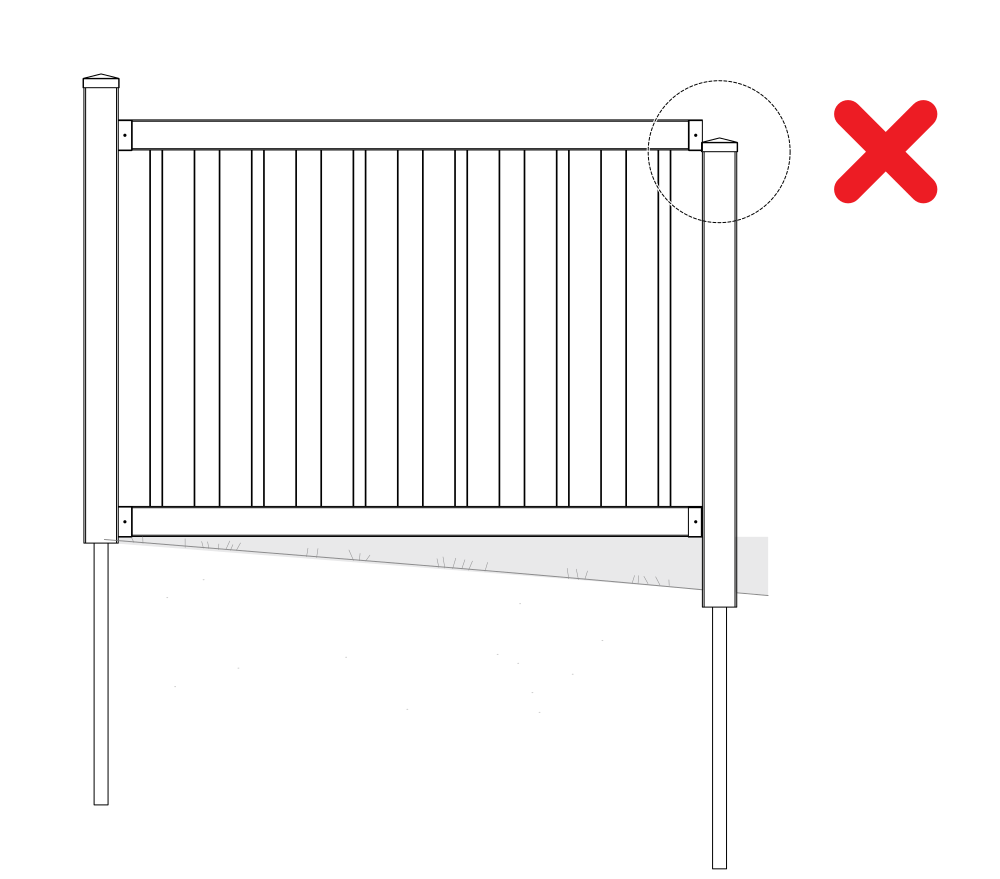
For a slope greater than 3–4in per 6ft panel, you will need to split your panel. Purchase an additional post and set of brackets before continuing.
Step 3: Mark Pipe Locations
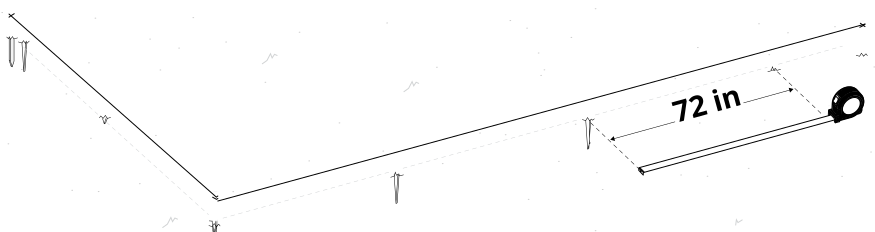
Mark the ground every 72in to determine exact pipe locations, measuring center-to-center.
Step 4: Remove Top Donut
Parts Required
A x1
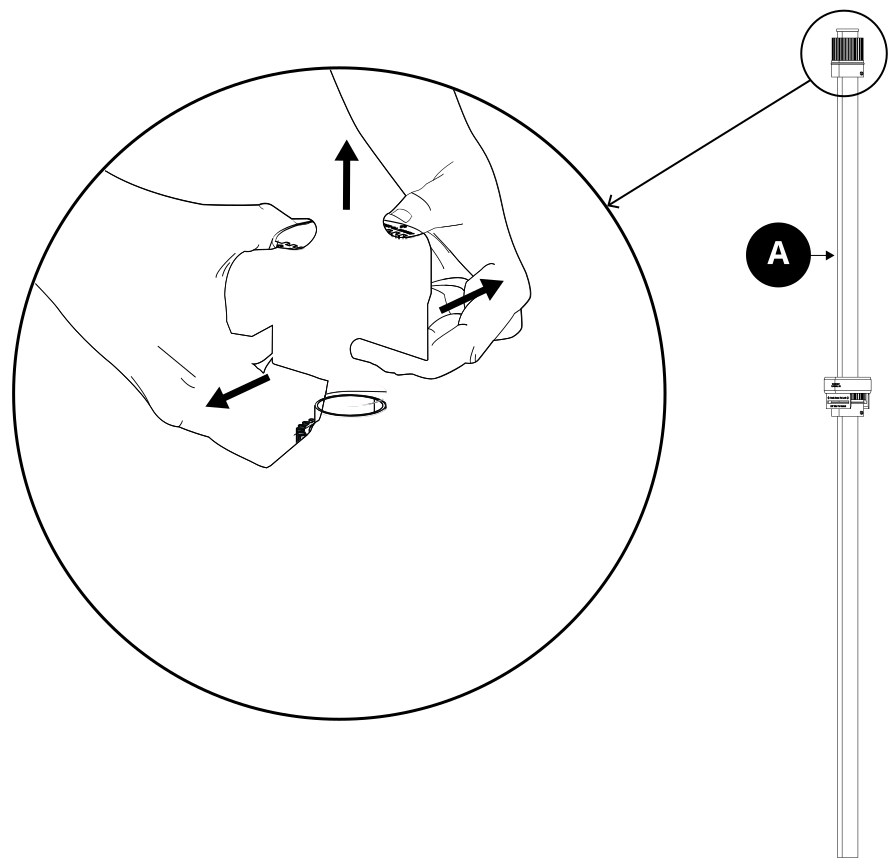
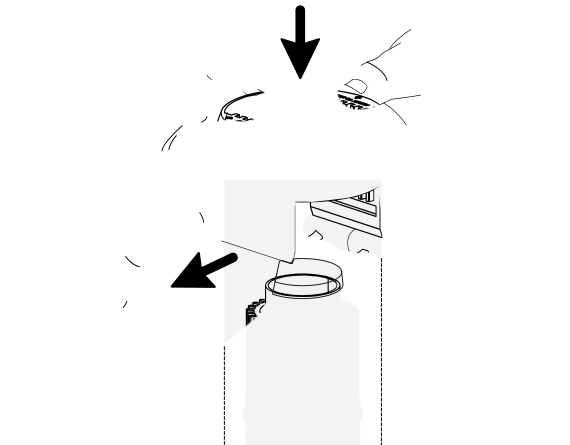
Before driving your pipes, remove the top donut from pipe anchor (A) by pulling the tabs to unlock and lifting the donut free. Need help? Watch our leveling donut video.
Step 5: Install Pipes
Parts Required
A x1
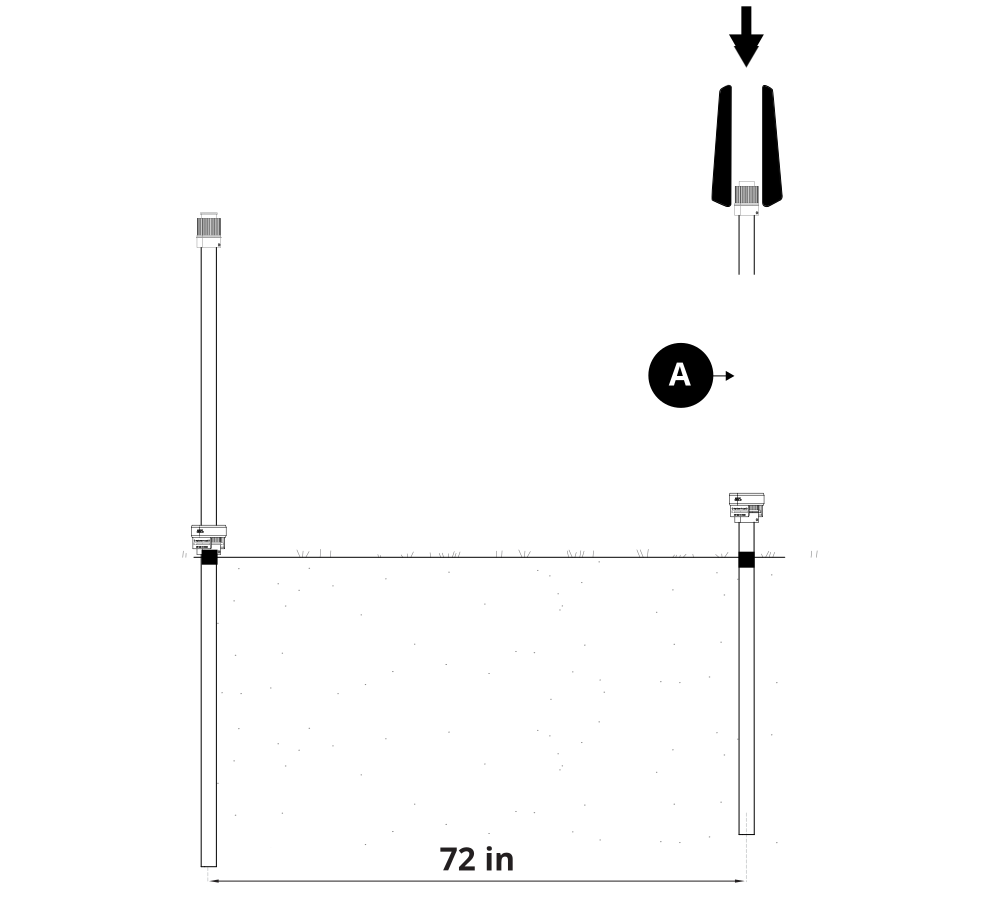
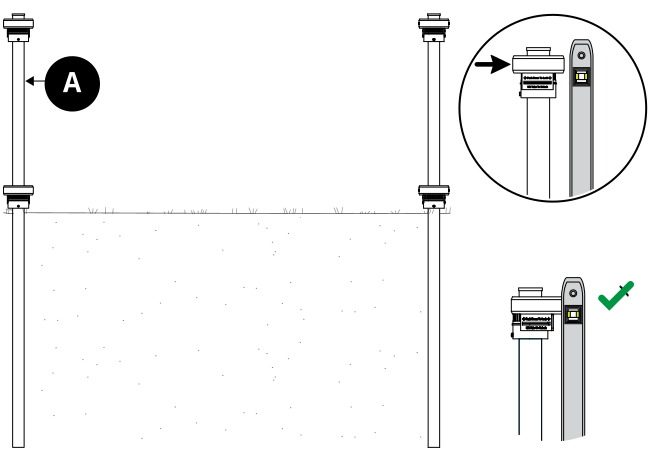
Drive pipe anchor (A) into the ground at your first marked location, checking for level roughly every 6in. To stay level, pound equally from all four sides. Continue until the lower gear touches the ground. Repeat at the next mark to drive the second pipe for your first panel. Remember: center-to-center spacing must be 72in.
Step 6: Adjust Donuts to Level
With both pipes for your first panel in the ground, reinstall the top donut onto each pipe anchor (A) one at a time. Check each pipe for level. If a pipe is slightly off, pull the donut tabs outward and rotate the donut to shift its position and compensate. Refer to the donut leveling video in Step 4 for help.
Step 7: Install Posts
Parts Required
B x1
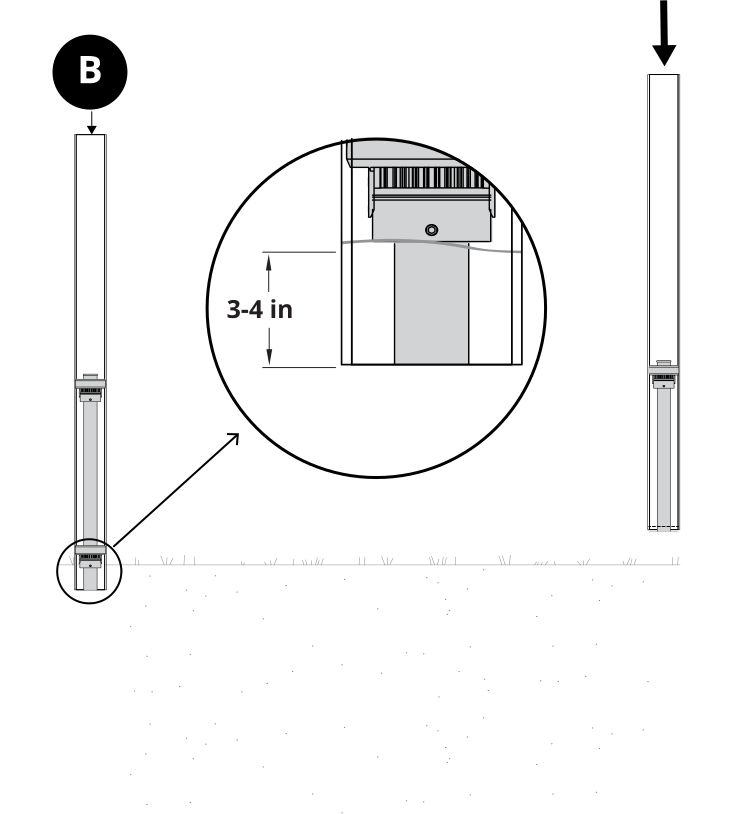
Slide post (B) down over pipe anchor (A). On flat ground, bury the post 3–4in to avoid a floating look.
Installing at a non-standard angle? Watch our angle bracket guide before placing your brackets.
Step 8: Install Bottom Bracket (First Post)
Parts Required
C x1 G x4
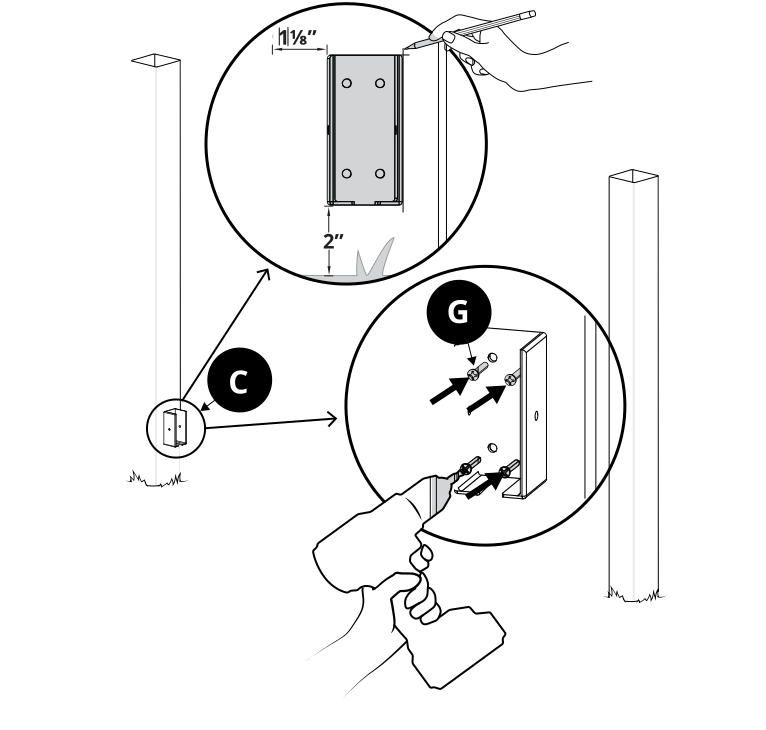
On your first post, measure 2in up from the bottom of the post and 1⅛in from the front edge. Mark this position, then align bracket (C) to your mark and secure it using (4) screws (G). This is your bottom rail bracket.
Step 9: Align Bottom Bracket (Second Post)
Parts Required
D x1 C x1
Cap one end of horizontal rail (D) with a loose bracket (C). Rest the other end in your installed bracket, level the rail, and mark the position of the loose bracket on your second post. Remove the rail — this mark is where you'll secure your second bracket.
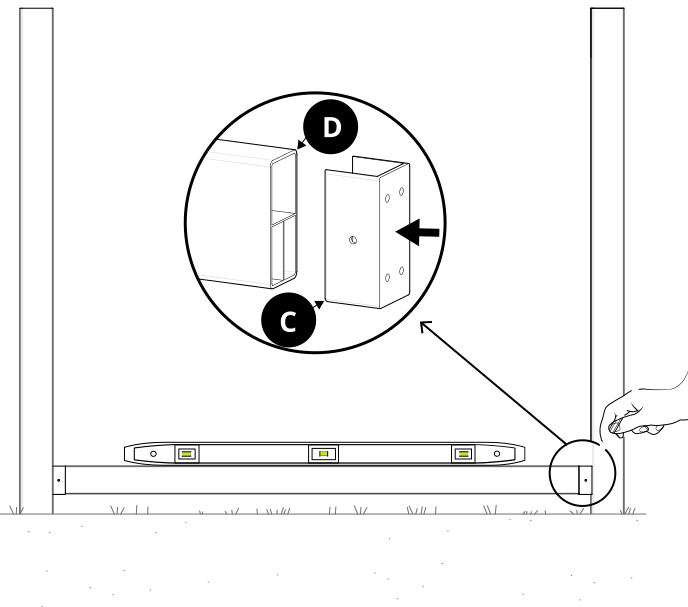
Step 10: Install Bottom Bracket (Second Post)
Parts Required
C x1 G x4
Using the mark you made in Step 9, align bracket (C) on the second post and secure it with (4) screws (G).
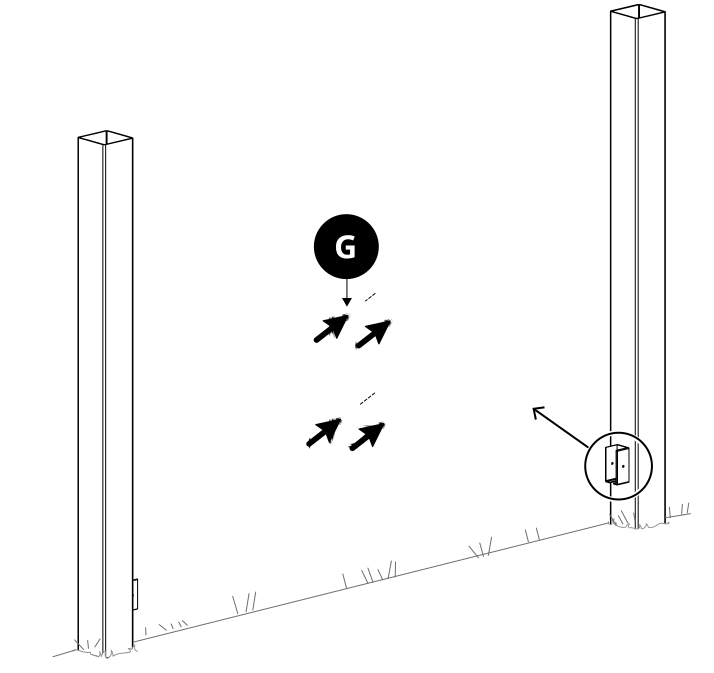
Step 11: Install Bottom Rail
Parts Required
D x1 G x4
Slide the bottom horizontal rail (D) into both brackets. Once seated, secure the rail to the brackets using (4) screws (G), (2) per bracket.
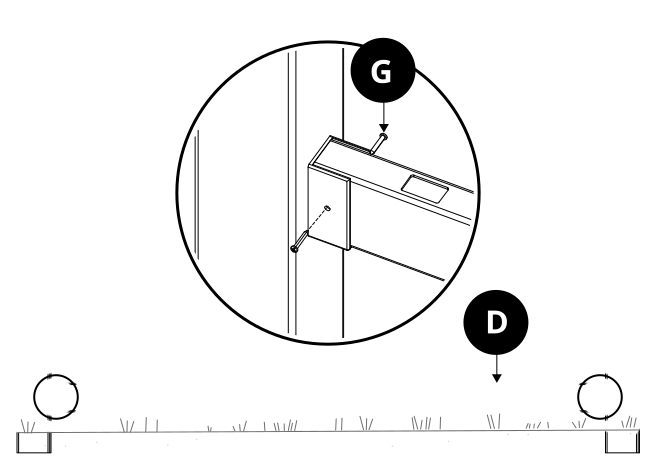
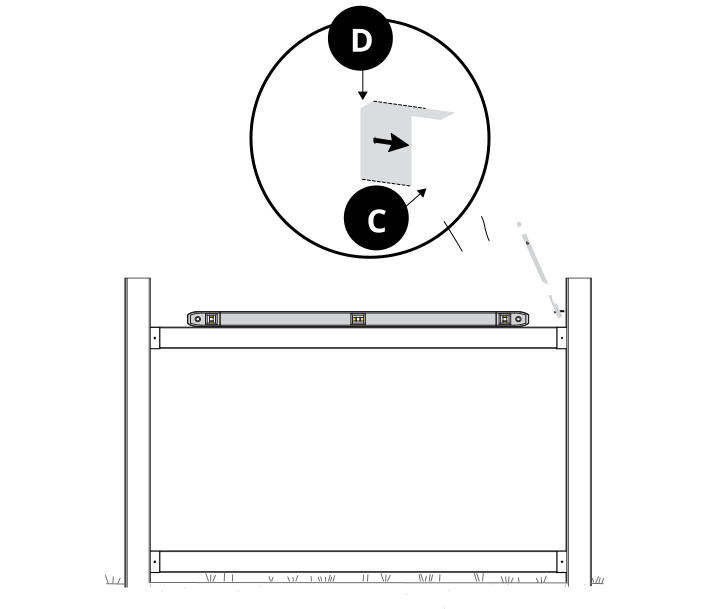
Step 12: Install Top Bracket (First Post)
Parts Required
C x1 G x4
On your first post, measure 41½in up from the top of the bottom rail and mark the position. Align bracket (C) to your mark and secure it to the post using (4) screws (G). This is your top rail bracket.
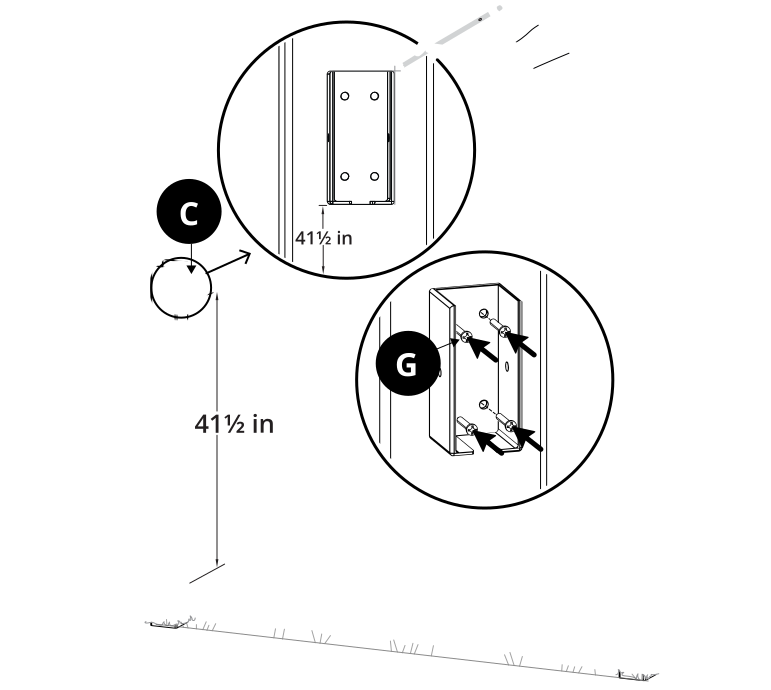
Step 13: Align Top Bracket (Second Post)
Parts Required
D x1 C x1
Cap one end of the remaining horizontal rail (D) with a loose bracket (C). Rest the other end in your installed bracket, level the rail, and mark the position of the loose bracket on your second post. Remove the rail — this mark is where you'll secure your second bracket.
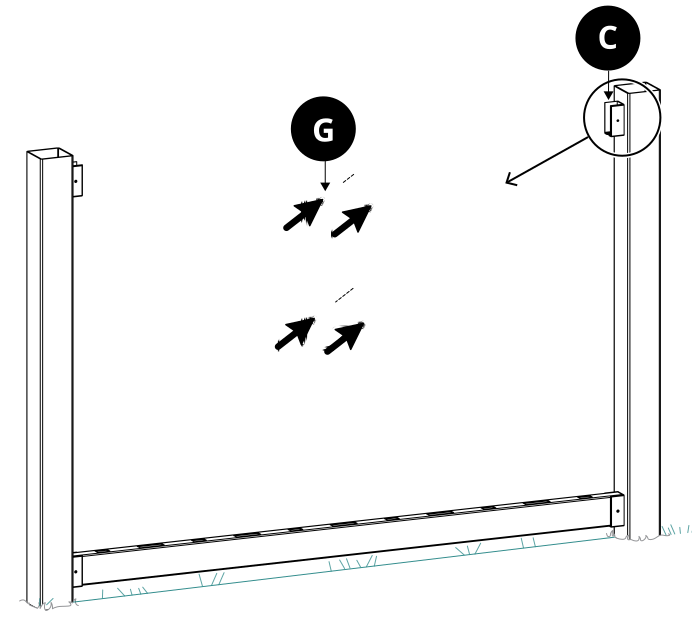
Step 14: Install Top Bracket (Second Post)
Parts Required
C x1 G x4
Using the mark you made in Step 13, align bracket (C) on the second post and secure it with (4) screws (G).
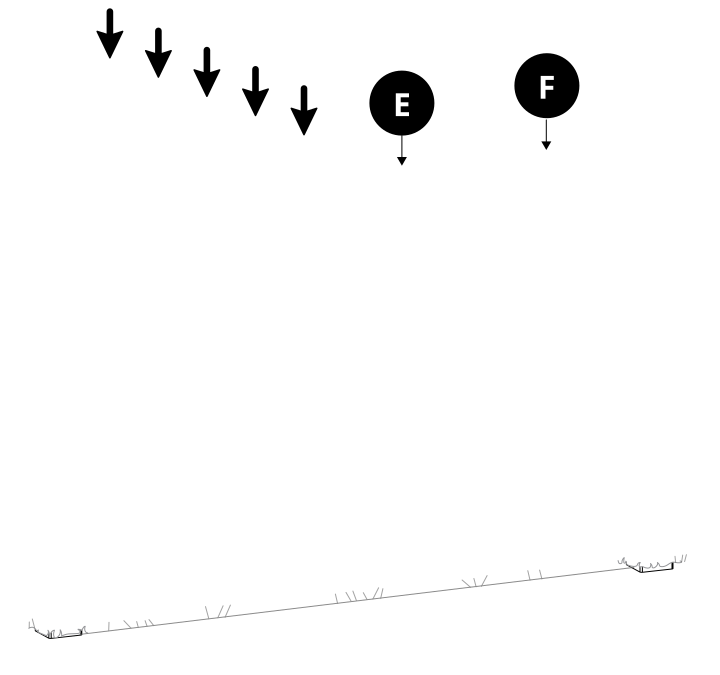
Step 15: Install Pickets
Parts Required
E x6 F x5
Drop the pickets into the slots in the bottom horizontal rail (D), alternating between thin pickets (E) and wide pickets (F). Push each picket fully down until it sits flush against the bottom of the rail slot. Do not secure the top rail yet.
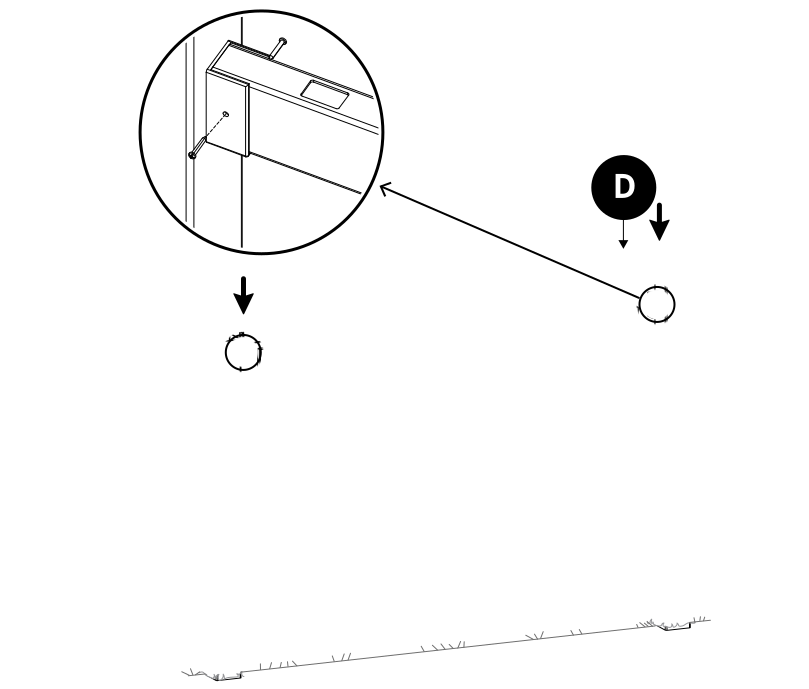
Step 16: Install Top Rail
Parts Required
D x1 G x4
Starting at one end, align the first picket with its corresponding hole in the top horizontal rail (D). Walk the rail down over the remaining pickets one at a time, feeding each picket into its hole as you go. Once all pickets are seated, slide both ends of the rail into the top brackets and secure with (4) screws (G).
Step 17: Install Post Caps
Parts Required
H x1
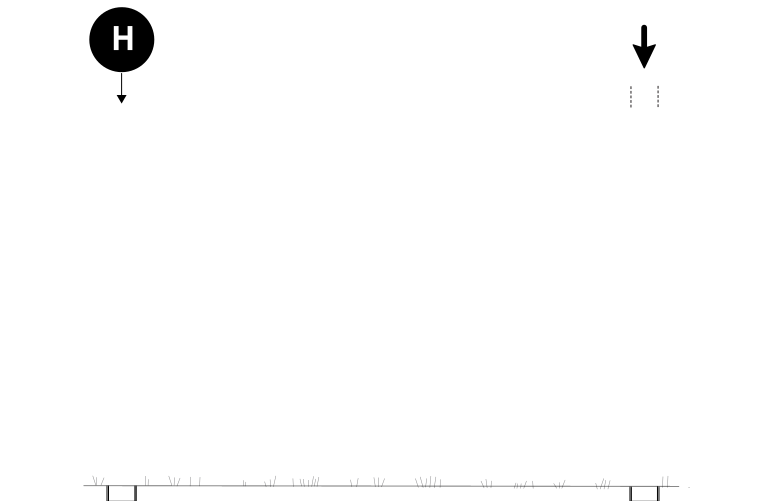
If your posts extend above the top rail, trim them down to the desired height. Press post caps (H) firmly onto the top of each post until they are fully seated.
Need Help?
- Email: hmmm@wambamfence.com
- Phone: 704-892-5222 or 877-778-5733
- Text: 704-892-5222
